





We’re the people who took the first image of a black hole…

Founded at the CfA, the Event Horizon Telescope (EHT) enabled a milestone in the history of discovery by capturing the first image of doomed matter falling into a black hole event horizon. The project essentially turned the Earth into a giant telescope in order to do this, combining arrays around the world in a monumental effort led at the CfA. We’re now building the Next Generation Event Horizon Telescope.
…and now we’re working to make a movie of one.

Our Black Hole Explorer (BHEX) is a new mission that will discover and measure a black hole’s photon ring, capturing light that has orbited a black hole. BHEX will extend the Event Horizon Telescope into space, producing the sharpest images in the history of astronomy.
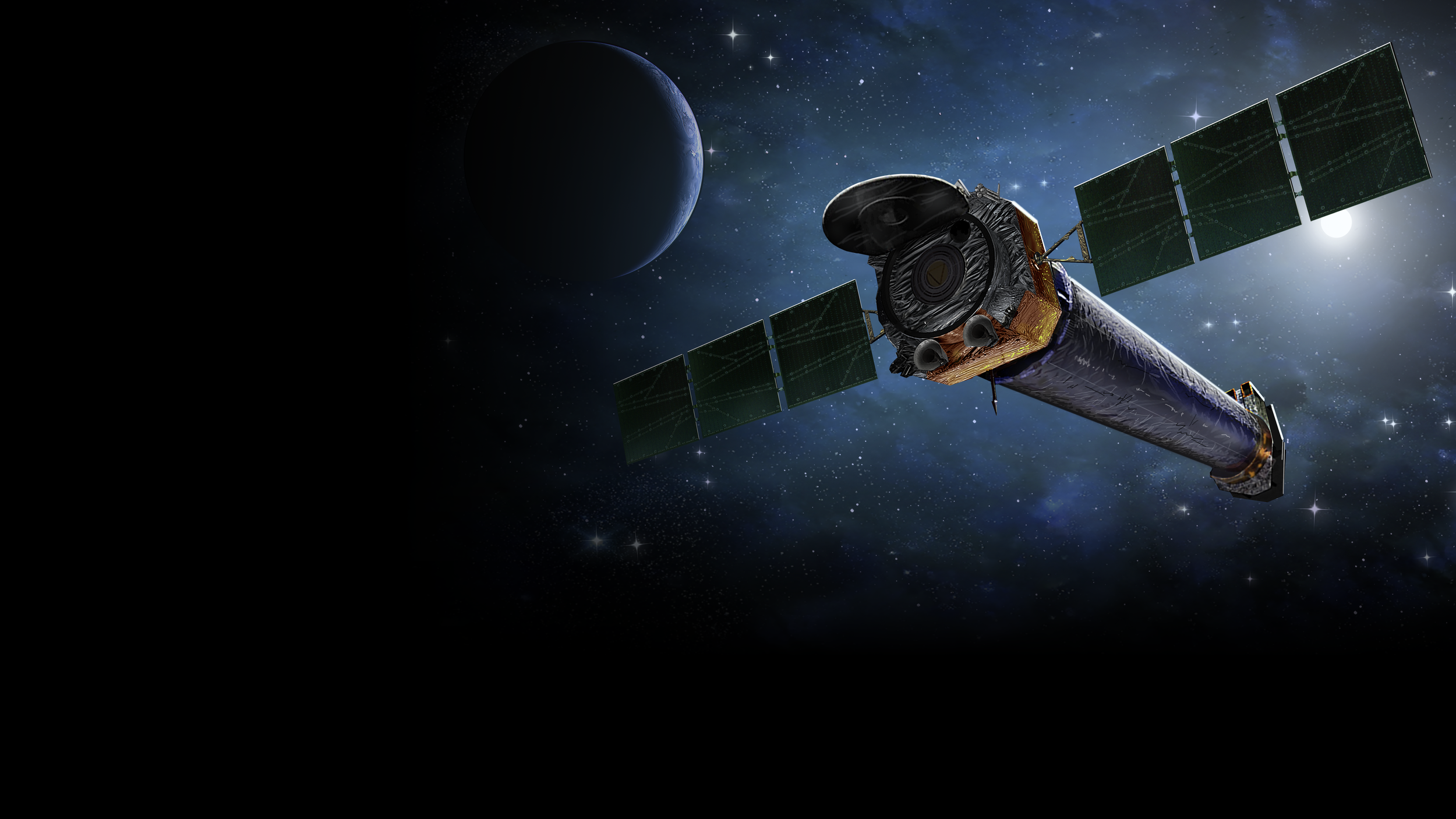
We operate a legendary Great Observatory…

NASA’s Chandra X-ray Observatory, was conceived of, significantly designed at, and has been flown by the Center for Astrophysics since its launch aboard the Space Shuttle Columbia in 1999. Chandra has revolutionized our understanding of the Universe, and our place within it.

More than a thousand times more powerful than Chandra, Lynx will pursue the greatest cosmic discoveries of the century. As part of the New Great Observatories community movement, and empowered by a Decadal Survey recommendation to mature its enabling technologies, we are the global community leader in designing the most powerful X-ray Observatory ever conceived.
We’re planning for Chandra’s revolutionary successor mission…
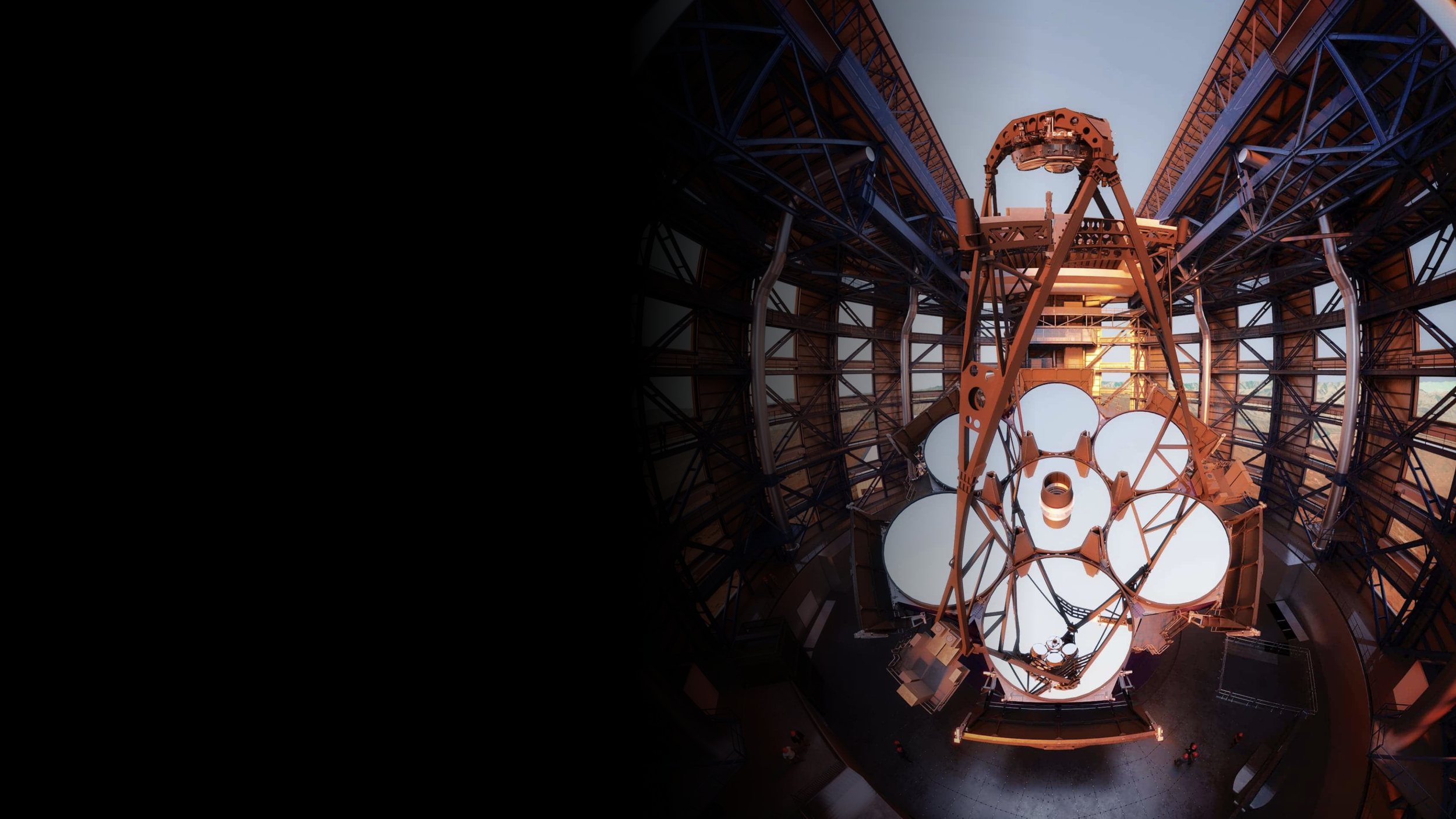
…and we’re building one of the most powerful telescopes on Earth.

We’re collaborating with partners worldwide to build the Giant Magellan Telescope (GMT), currently under construction in Chile. With seven giant mirrors combining to form an 80 foot effective aperture, the GMT will be orders of magnitude more powerful than the world’s existing large telescopes. With unmatched image quality, the GMT is designed to discover the unknown, and pursue the greatest cosmic questions that lie before us, including the possibility of life beyond Earth.
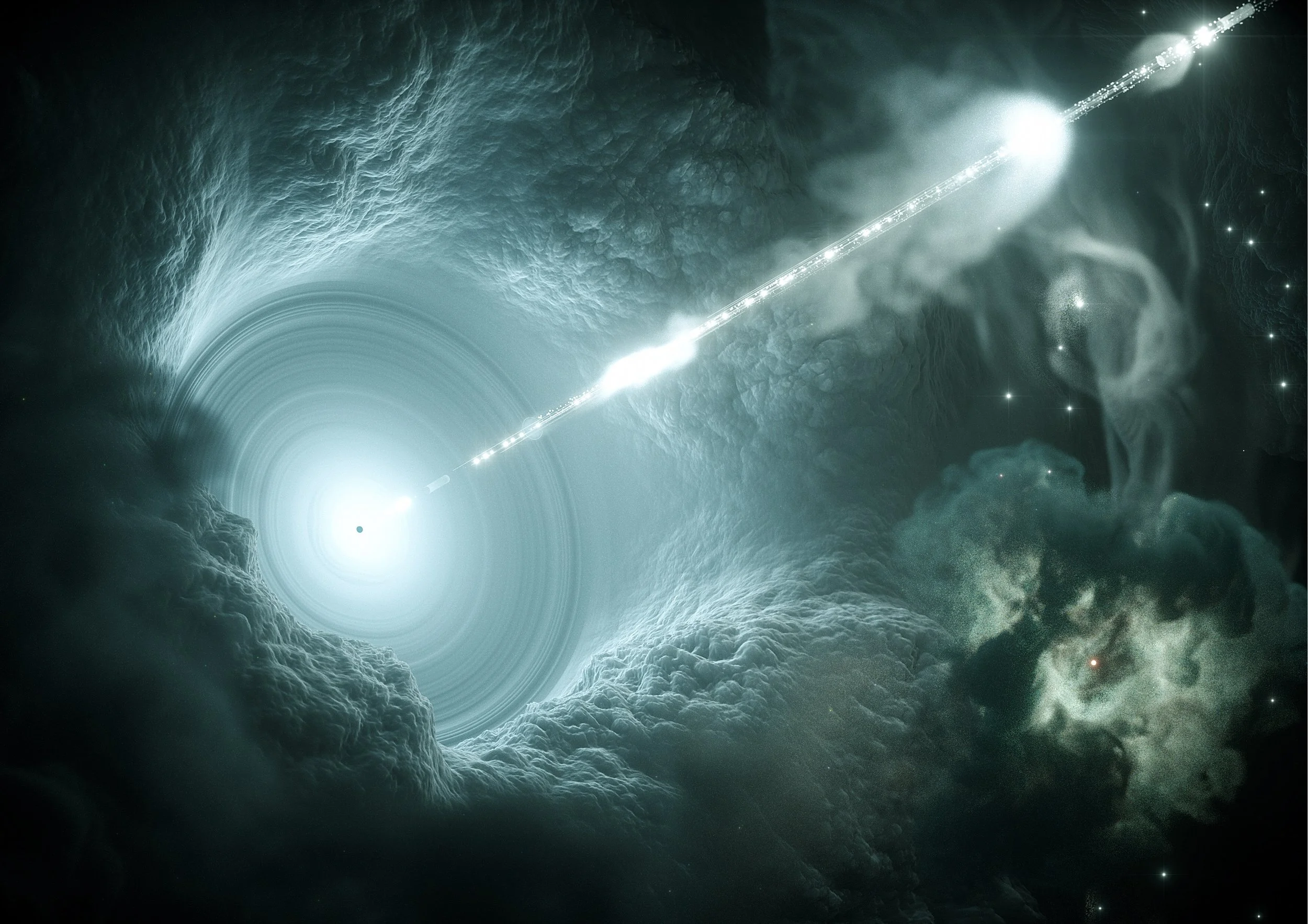
Our science spans the full breadth of the cosmos.
Home to more than 800 scientists, engineers, and support staff, the CfA is the largest astrophysical research institution on the planet. Our projects have included Nobel Prize-winning advances in cosmology and high energy astrophysics, the discovery of countless exoplanets, and the launch of scientific missions that have transformed our understanding of the Universe.
The CfA is also a load-bearing pillar of the global astronomy research community: our Astrophysics Data System, for example, has been universally adopted as the world's online database of astronomy and physics papers.

Our people built the pillars of modern astronomy…
The Smithsonian Astrophysical Observatory and Harvard College Observatory (which, together, form the Center for Astrophysics) are two of the most legendary institutions in the history of cosmic discovery because of the people who built them. From Williamina Fleming to Annie Jump Cannon, Henrietta Swan Leavitt, Edward Pickering, Harlow Shapley, and Cecelia Payne-Gaposchkin, our scientists have made truly the most transformative astronomical discoveries of the last century.

…their work is preserved in our archive of astronomy’s greatest relics.
The CfA’s legendary Plate Stacks houses the largest collection of astronomical photographic plates in the world. With more than 550,000 glass plate negatives and spectral images, our collection guards a century of irreplaceable scientific observations and represents the first full image of the visible Universe.
We defend our home planet...
Our Minor Planet Center is the official worldwide organization in charge of collecting observational data for minor planets (such as asteroids), calculating their orbits and publishing this information for the benefit of the world.
We are now expanding the role of this world-leading center to form the Planetary Defense Nexus, a global watchtower for potentially hazardous near-Earth Objects that may threaten life on our home planet.
We’re mapping our home galaxy…
Our Via Project is using the Milky Way galaxy as a laboratory to answer fundamental questions about the nature of the universe. Via will conduct an all-sky survey of stars using the 6.5-meter MMT (Arizona) and Magellan (Chile) telescopes. The survey will utilize the ViaSpec instruments, which will be built and deployed on each of the telescopes.

We’re building world-leading instrumentation & missions…
The CfA’s Central Engineering builds state-of-the-art ground- and space-based scientific instrumentation and missions. With world-class engineers and state-of-the-art facilities, the CfA is a full service engineering organization that has helped build the most important discovery engines in the history of astronomy, including instruments for the world’s largest observatories to the James Webb Space Telescope to the Parker Solar Probe and far beyond.
… and we’re using frontier technologies for the biggest cosmic questions.

A center dedicated to the development of artificial intelligence to enable next generation astrophysics at the Center for Astrophysics | Harvard & Smithsonian. AstroAI strives to bring experts in artificial intelligence together with scientists to tackle the most exciting and challenging problems in astrophysics.
